Content
They provide some energy to your cells, but too much may cause your blood to become too acidic. Your prognosis will be impacted by the severity of your alcohol use and whether or not you have liver disease. Prolonged used of alcohol can result in cirrhosis, or permanent scarring of the liver.

Sudden death due to alcoholic ketoacidosisis common among those who binge drink on an empty stomach or lose nutrients through vomiting. But look at that equation, above, demonstrating the two fates of acetoacetate. Note the arrow from acetoacetate to acetone only goes one direction. We do not take acetone to acetoacetate and certainly don’t take it beta-hydroxybutyrate . Alcohol alcoholic ketoacidosis metabolism, as Dan noted, also results in conversion of NAD to NADH, raising the NADH/NAD ratio. But many to most patients who present with AKA have low or absent alcohol levels because they are vomiting, may have abdominal pain, and haven’t kept even alcohol or much else down for a day or longer. The presence of a mixed acid-base disturbance suggests a comorbid disorder.
Alcohol Abuse and Binge Drinking
Fat is broken down into ketones that can be used as an alternative fuel source. Two beneficiaries of this process are the heart and the brain (Stryer Biochemistry 5th edition. Section 30.2, Each Organ Has a Unique Metabolic Profile). Despite what Dunkin’ Donuts would lead you to think, the heart runs on fats and ketones . They brain does not have glycogen stores, so during a fast it relies on ketones. If you did not make ketones, a bout of gastroenteritis would end in status. This whole process of generating fuel, whether from the breaking down of glycogen, making of new glucose, and making of ketones is tightly regulated by insulin, glucagon, catecholamines, and cortisol.
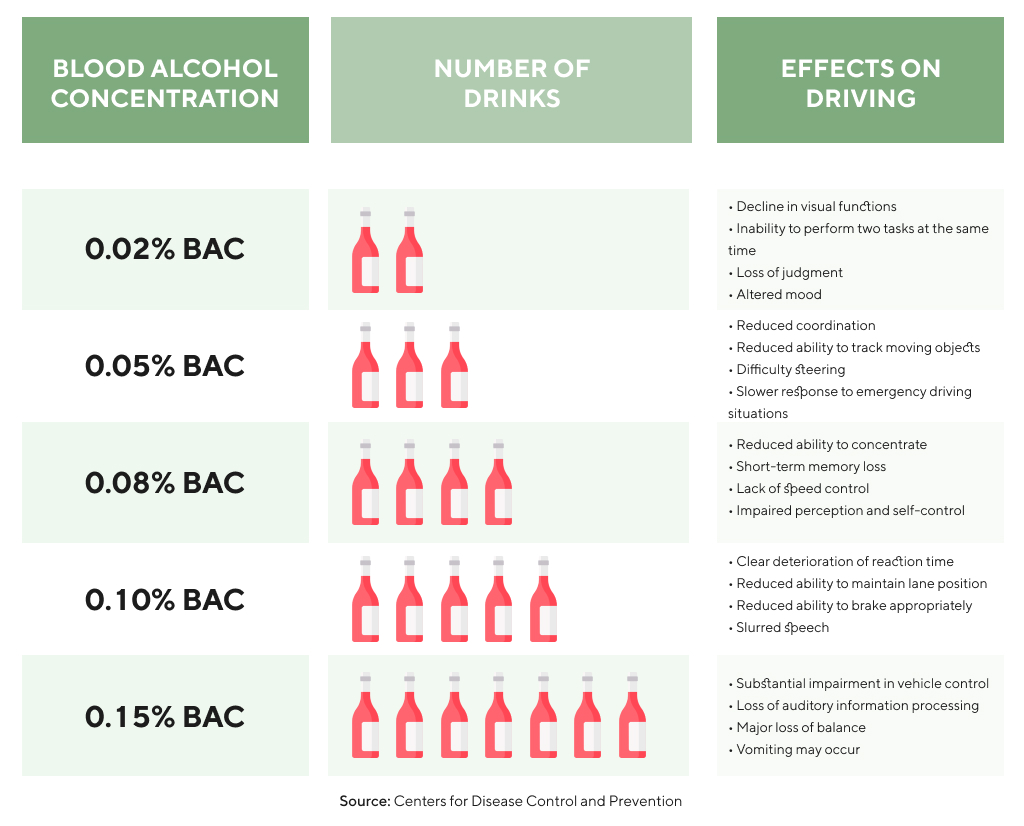
Once a person has AKA, it is critical to seek emergency treatment for symptoms right away. Doctors can administer sugars and salts intravenously to counteract the effects of AKA, and monitor the blood composition and ketone levels of the patient.
Prehospital Care
Urinalysis may show an elevated specific gravity as the patient is usually dehydrated. The specific gravity of the urine can be in the normal range if the patient has been drinking recently enough for the effect of antidiuretic hormone inhibition to be still present. The patient may have been able to tolerate oral fluids over the last 24 hours, but no significant solid food. Dehydration causes an elevated heart rate and dry mucous membranes.